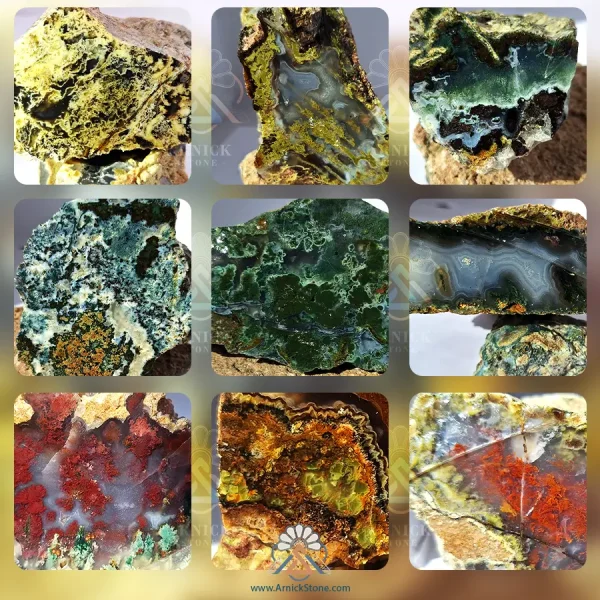
Geological Conditions and Plume Agate Deposits in the U.S.
Plume agate, a unique variety of chalcedony, typically forms through a mix of agate and jasper impurities. In many deposits, gypsum inclusions can also be found within the siliceous gels. Most plume agate forms in andesite rock, and this is generally true for deposits across the U.S. In rarer cases, basalt serves as the host rock for plume agate formation.
In the U.S., favorable geological conditions like shallow marine subduction zones, which are ideal for large-scale plume agate formation, are relatively scarce. This results in deposits that are not abundant in high tonnage. A key factor in the formation of plume agate is the activity of microorganisms near hydrothermal vents. These organisms use the thermal energy to support their metabolism, reducing minerals in the hot waters, which in turn helps create siliceous structures within the rock. Larger deposits are typically found in extensive subduction zones where the oceanic crust is being pulled apart.

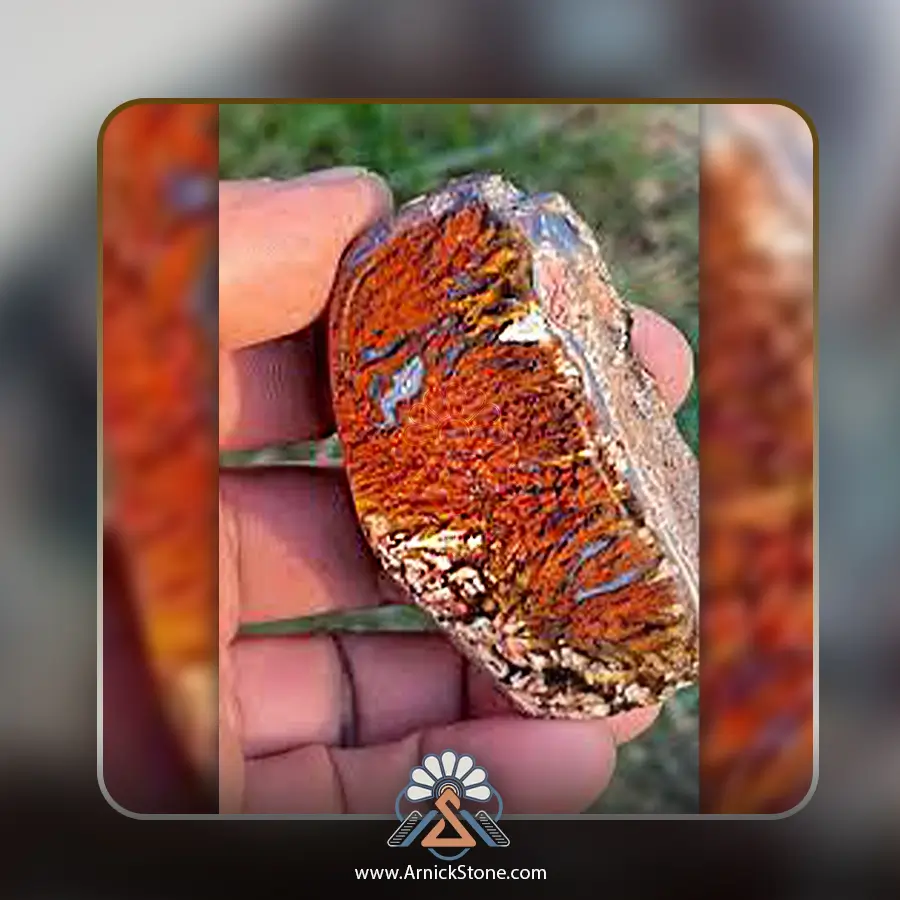
Notable locations for plume agate in the U.S. include Oregon, Texas, Ohio, Arizona, and Colorado. Oregon leads in terms of overall volume of reserves, while Texas is known for having some of the highest quality plume agate. Of course, assessing the quality of plume agate can be somewhat subjective, but there are generally accepted standards in the trade.
For decorative and ornamental purposes, U.S. deposits are more than sufficient, but they lack the volume needed to meet the demands of large-scale slab producers. As a result, significant agate slab production hasn’t developed in these regions. Worldwide, plume agate is much rarer and harder to form than common agate, which explains why agate deposits are much more plentiful than those of plume agate.